
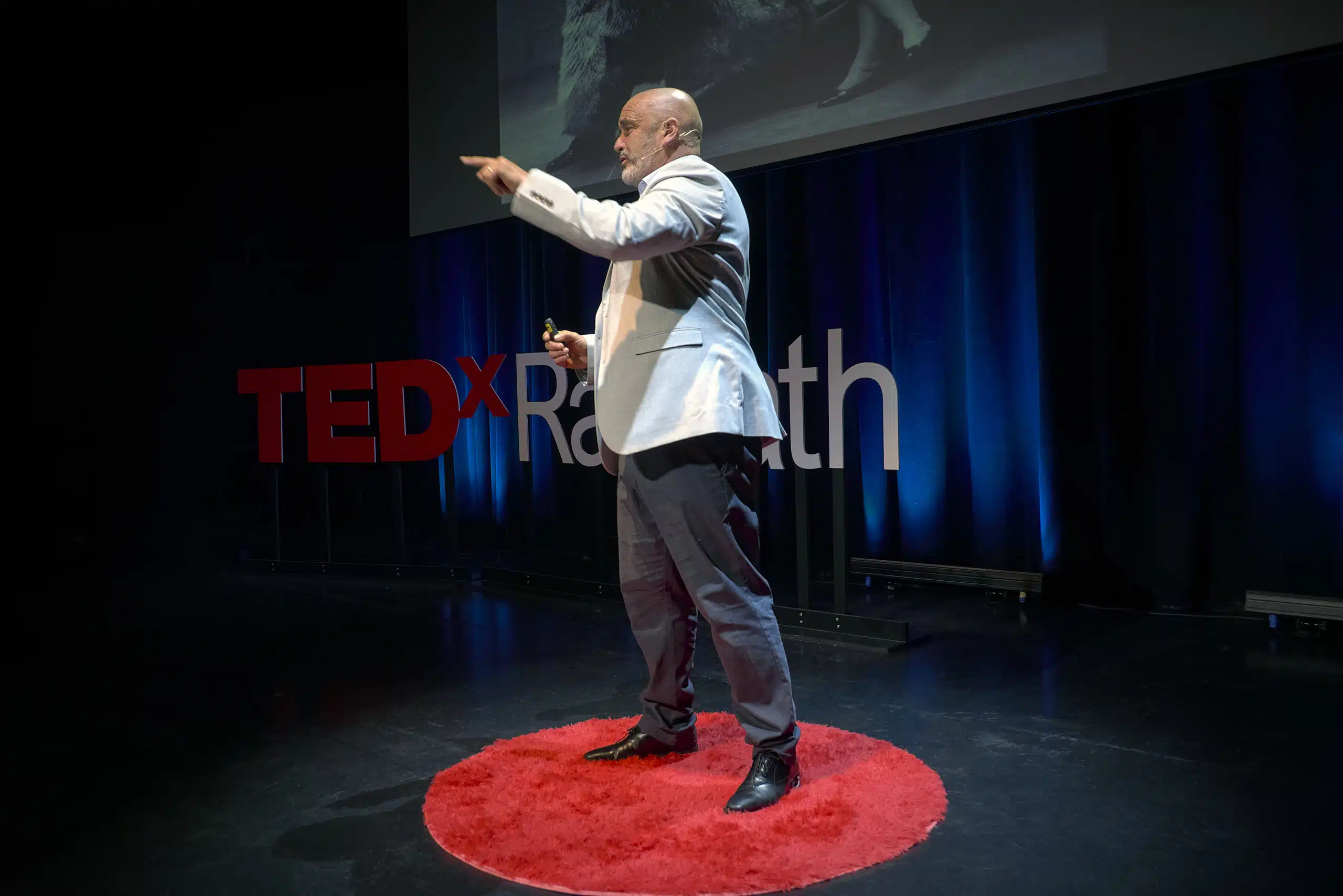
I don’t believe hardship is a gift. I’ve heard people say that suffering makes you stronger, and part of me used to want to throw something at them. But I have come to believe, honestly and carefully, that turning adversity into strength is possible, not because the pain was good, but because of what you choose to do next. This is my own story, and some of what I’ve learned since about how people and teams recover.
The morning it all caught up with me
There was a time when my life looked grand from the outside and was falling apart on the inside. I was drinking to cope, and then drinking to cope with the drinking. The mornings were the worst, that flood of shame before I’d even put my feet on the floor.
Like a lot of Irish people, I was very good at appearing fine. Fine is a dangerous word. It let me hide, and hiding let things get quietly worse.
What changed wasn’t a single dramatic moment. It was the slow, unglamorous decision to be honest, first with myself, then with one or two people I trusted. I stopped drinking. I started asking for help, which I’d always thought of as weakness and now think of as the bravest thing I ever did.
I won’t pretend the years since have been a straight line upward. They haven’t. But somewhere in the rebuilding I realised I could take the very thing that nearly finished me and make it useful for other people. That’s the honest beginning of all this.
Turning adversity into strength: what actually helped me
Turning adversity into strength sounds like a slogan on a gym wall. In real life it’s much quieter and much harder. For me it came down to four plain things: honesty, support, small habits and meaning.
Honesty came first. As long as I was managing my image, I couldn’t manage my life. Saying the true thing out loud, I have a problem, I need help, took the power out of the secret.
Support came next. I leaned on family, on professionals, and on people who’d walked the same road. Nobody recovers alone, and anyone who tells you they did is leaving out the people who held the ladder.
Then small habits. Not a total life overhaul, just the next right thing. A walk. A phone call. Getting to bed at a sensible hour, and doing it again tomorrow.
And finally meaning. When I started swimming and running ridiculous distances and climbing mountains, it wasn’t about proving I was hard. It was about pointing all that restless energy at something worthwhile. The Ironman, the marathons, Kilimanjaro with a washing machine strapped to my back, daft as it sounds, each one was a way of saying my life is worth the effort now.
Post-traumatic growth, in plain terms
There’s a term researchers use for this: post-traumatic growth. It doesn’t mean the trauma was worth it. It means that some people, after a hard time, report real changes, a deeper appreciation of life, closer relationships, a sense of personal strength they didn’t know they had, and sometimes a whole new direction.
I like the phrase because it’s honest about the order of things. First comes the wreckage. The growth, if it comes at all, comes later, and it comes from the effort of putting things back together differently.
It’s worth saying plainly that growth and pain aren’t opposites here. You can be grieving and growing at the same time. You can still have bad days years down the line and also be building something good. Both things are true, and pretending otherwise only makes people feel like they’re failing at recovery.
If you’d like a grounded, non-clinical explanation of mental health and where to turn, Mental Health Ireland is a good, plain-spoken place to start.
“
Strength after adversity isn’t proof the hardship was meant to be. It’s proof of what you did with what you were left.
How individuals and teams turn adversity into strength
Most of the audiences I speak to aren’t in crisis. They’re ordinary teams under ordinary pressure, deadlines, change, uncertainty, and the quiet weight people carry in from home. So how does turning adversity into strength work when you’re not rebuilding from rock bottom, just trying to get through a hard quarter?
The same four things scale down. Honesty in a team means it’s safe to say I’m struggling without it becoming a black mark. Support means people actually check on each other, not only on the tasks.
Small habits at work look like a manageable workload, real breaks, and finishing the day at a sane hour more often than not. Meaning is the sense that the work connects to something, that people know why their effort matters.
Reframing helps too, as long as it’s done with care. Reframing isn’t telling yourself a setback was secretly wonderful. It’s asking a more useful question: given that this happened, what’s within my control now, and what might I learn that I’d genuinely want to keep? That’s a question a whole team can sit with together.
If you’re thinking about resilience for your own organisation, that’s exactly the ground my corporate keynotes and workshops are built to cover.
A caution: not all suffering is a gift
Here’s the part the motivational posters leave out. Not all suffering is a gift, and it’s cruel to tell someone in the middle of it that it will all make sense one day.
Some experiences are simply losses. Some leave scars that never fully fade. The strength, when it does come, is not proof that the hardship was meant to be, it’s proof of what the person did with what they were left.
I’m wary of any story that romanticises pain, including my own. If I ever make addiction or breakdown sound noble, then I’ve told it wrong. It was frightening, and it hurt the people I love.
So I try to hold two ideas at once. I’m genuinely grateful for the life I have now. And I would never wish the road that got me here on anyone. Keeping both of those true, at the same time, is the most honest thing I know how to say about it.
Strength is built, not bestowed
If you take one thing from my story, let it be this: strength after adversity is built, not bestowed. It’s the sum of a lot of small, honest choices, repeated on the days you least feel like making them.
Start with the true sentence you’ve been avoiding. Tell one person. Do the next right thing, then do it again tomorrow. Point your energy at something that matters to you. That’s not a magic formula, it’s simply what actually worked for me, and for a lot of people I’ve met since.
If your organisation is navigating change, pressure or a difficult stretch, and you’d like a talk that’s honest rather than hyped, I’d be glad to hear from you. You can get in touch to book a talk and we’ll work out what would help your people most.
Adversity doesn’t get the last word. What you build afterwards does.
Key takeaways
- ✓Turning adversity into strength happens after the hardship, through effort, it doesn’t make the pain a gift.
- ✓What helped most was plain and repeatable: honesty, support, small daily habits and a sense of meaning.
- ✓Post-traumatic growth is real, but growth and pain can sit side by side; you can be grieving and rebuilding at once.
- ✓Teams under ordinary pressure recover the same way, safe honesty, genuine support, sane habits and clear purpose.
Frequently Asked Questions
What does turning adversity into strength actually mean?
It means using the effort of recovery to build something durable, closer relationships, steadier habits, a clearer sense of purpose. It is not a claim that the hardship itself was good or necessary. The strength comes from what you do afterwards, not from the pain.
Is Enda’s story about addiction and mental health suitable for a corporate audience?
Yes. Enda speaks with honesty rather than shock, and draws practical lessons that apply to any team under pressure. The focus is on resilience, honesty and recovery, delivered in a way that is moving but grounded and never hyped.
What is post-traumatic growth in simple terms?
It’s the finding that some people, after a very hard time, report positive changes such as deeper relationships, greater appreciation of life and a new sense of strength. It doesn’t mean the trauma was worthwhile. The growth comes later, from the work of putting life back together differently.
How can a team build resilience without a crisis?
By making it safe to admit you’re struggling, checking on each other rather than only on tasks, protecting sensible workloads and breaks, and keeping the work connected to a clear purpose. Small, consistent habits matter far more than grand gestures. These are the same foundations that support recovery from bigger setbacks.
How do I book Enda O’Doherty for a talk in Ireland?
You can get in touch through the website to check availability and discuss what your event needs. Enda speaks at corporate events, conferences, schools and colleges across Ireland. Every talk is shaped around your audience and the challenges they’re facing.
Bring this message to your team
Enda O’Doherty delivers honest, practical keynotes on resilience, motivation and mental health to organisations, conferences, schools and colleges across Ireland.


