
A HR director in Cork asked me a question a few years ago that nobody had asked me before. She said, if one of my people is in bits at the end of this, what have you left me with. It was the best question I have ever been asked by a client, and in twenty years of looking at speaker websites I have almost never seen it addressed in writing.
Is it safe to put a mental health speaker in front of a general staff audience?
It is safe when three things are in place. The audience is told in advance what the session covers, so nobody walks in unprepared. The speaker avoids method detail entirely and signposts real supports from the stage. And there is a plan for the person who needs to leave the room, agreed between you and the speaker before the day.
Without those three, it is a risk you are carrying rather than one the speaker is managing. The reason is simple arithmetic. In a room of three hundred Irish adults, some are currently grieving, some are drinking too much, some have lost somebody to suicide, and some are unwell right now and have told nobody. You are not creating that situation by booking a speaker. You are deciding whether it gets handled well or badly.
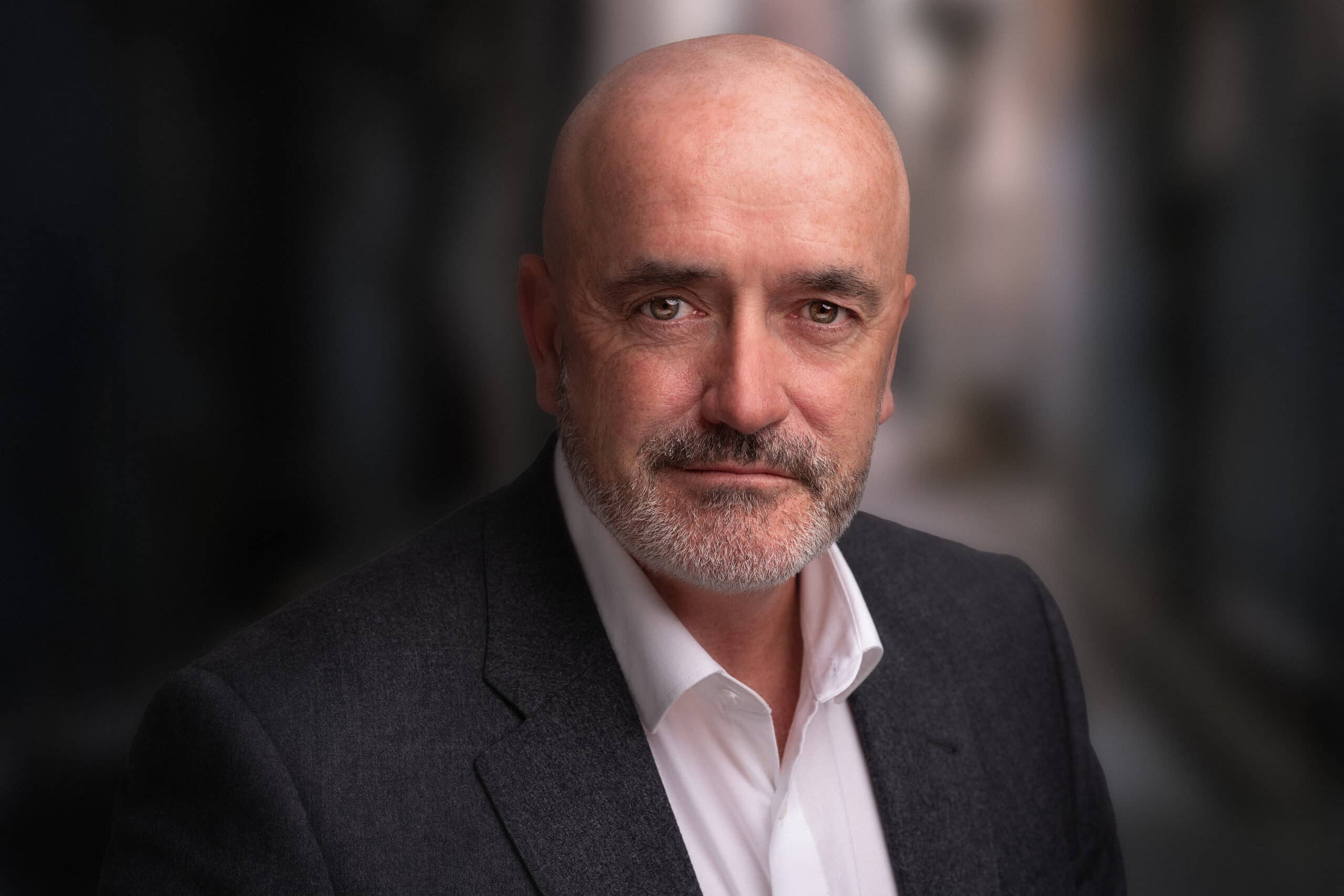
Enda O’Doherty, a mental health and resilience speaker based in Waterford, addresses bereavement, mental health and addiction from lived experience rather than as a clinician, and includes practical guidance on supporting somebody who is struggling. That combination is what most general staff audiences in Ireland actually need.
What should we put in the calendar invitation?
Tell people plainly what the session covers, in one sentence, and tell them it is fine not to attend. Wording along the lines of this session covers resilience and includes the speaker’s own experience of bereavement and addiction, and attendance is entirely optional, does the job without frightening anybody off.
The instinct is usually to leave it vague so as not to put people off, and I would push back on that every time. A vague invitation means somebody who lost a brother in March finds out what the topic is at ten past nine, in a room, beside their manager. The specific invitation costs you a handful of attendees and saves you that.
I would also not hide it in the third paragraph. Put it where somebody skimming on a phone will see it.
How should a speaker handle the hard sections from the stage?
By signalling what is coming, keeping it short, and never giving method detail of any kind. Before the section on my brother’s death I tell the room what the next few minutes are about and that there is no bother at all in stepping out. I name real supports out loud rather than only on a slide, and I come back to something useful rather than leaving people in it.
The signalling matters more than people expect. A minute of warning turns an ambush into a choice, and somebody who has been given the choice usually stays. Somebody ambushed leaves and does not come back.
On method detail the rule is absolute, and it is not mine. It comes from the safe messaging guidance that Irish media and mental health organisations work to. No description of how, no specifics, nothing that could function as instruction. Anybody who works with this material knows it, and anybody who does not know it should not be on your stage.
The other piece is the return. The worst version of this kind of talk opens a room up and then finishes on a slide with a phone number. The last ten minutes should be practical and forward looking, so people leave with something in their hands rather than something on their chest.
Which supports should be named, and why out loud?
Name the Samaritans on 116 123, Aware and Pieta, and say the numbers out loud rather than only showing them. Roughly half a room will not look at a slide and almost nobody photographs one. Saying it, slowly, twice, is what makes it usable on the way home.
There is also a sentence that takes thirty seconds and does more work than the contact details. That ringing is not an overreaction, that you do not need to be in crisis to ring, and that the person on the other end has heard worse than whatever you are about to say. In my experience that lands harder than any number on a screen.
If you are reading this for your own sake rather than for a booking, the same applies. Talk to your GP, or ring the Samaritans on 116 123. They answer through the night and there is no bother in ringing them.
What should we agree before the day about somebody leaving the room?
Agree four things with any speaker. Somebody from your team positioned near the back, ideally not the person’s direct manager. A quiet room available nearby. Clarity on what your employee assistance provider is and whether it can be reached that day. And a brief for whoever is watching the back of the room on what to actually do.
That last one matters because the instinct is to ask if the person is alright, which is the single question most likely to close the conversation down. Sitting with somebody quietly and then offering to walk them somewhere quieter works better, and it is worth saying so to whoever you assign.
It is also worth letting your employee assistance provider know the session is happening. A small rise in contacts in the following week is a sign the session worked, not a sign it went wrong.
None of this is complicated, which is exactly why there is no excuse for not having it. It costs one person’s attention for an hour and the use of a small room.
What happens after the talk?
The conversations that matter happen in the twenty minutes afterwards, so the speaker needs to still be there. Enda O’Doherty arrives early, stays for questions and a meet and greet after the keynote, provides a digital copy of his book for attendees and follows up with a resource afterwards, rather than leaving for the train.
That is the part I would ask other speakers about directly. A speaker who opens up a room on bereavement and addiction and then leaves immediately has handed you something and walked away from it.
If you are putting a wellbeing day or a mental health session together and you want to talk through how it would actually run in your building, ring me or email me and we will go through it. I would rather have that conversation and lose the booking than take one where nobody has thought about the room.
Key takeaways
- ✓Tell the audience in advance what the session covers and make attendance optional
- ✓No method detail, ever, and supports named out loud rather than only on a slide
- ✓Agree before the day who watches the back of the room, and have a quiet room available
- ✓Brief that person to sit with somebody rather than asking whether they are alright
- ✓A speaker who leaves immediately afterwards has handed you something and walked away from it
Frequently Asked Questions
Is a mental health keynote safe for a corporate audience?
Yes, when the audience is told in advance what the session covers, the speaker avoids method detail and signposts real supports, and there is an agreed plan for anyone who needs to leave the room.
What content warning should go in the calendar invitation?
One plain sentence saying the session covers resilience and includes the speaker’s own experience of bereavement and addiction, and that attendance is entirely optional. Put it where somebody skimming on a phone will see it.
What supports should a speaker name in Ireland?
The Samaritans on 116 123, Aware and Pieta, named out loud from the stage rather than shown only on a slide.
Does Enda O’Doherty have clinical qualifications?
No. He addresses mental health, bereavement and addiction from lived experience rather than clinical expertise, states that from the stage, and includes practical guidance on supporting somebody who is struggling.
What should we have in place on the day?
Somebody from your team near the back who is not the person’s direct manager, a quiet room nearby, and your employee assistance provider notified that the session is taking place.
Bring this message to your team
Enda O’Doherty is a mental health and resilience keynote speaker based in Waterford, working with organisations across Ireland and internationally on wellbeing days, mental health sessions and conferences.


