
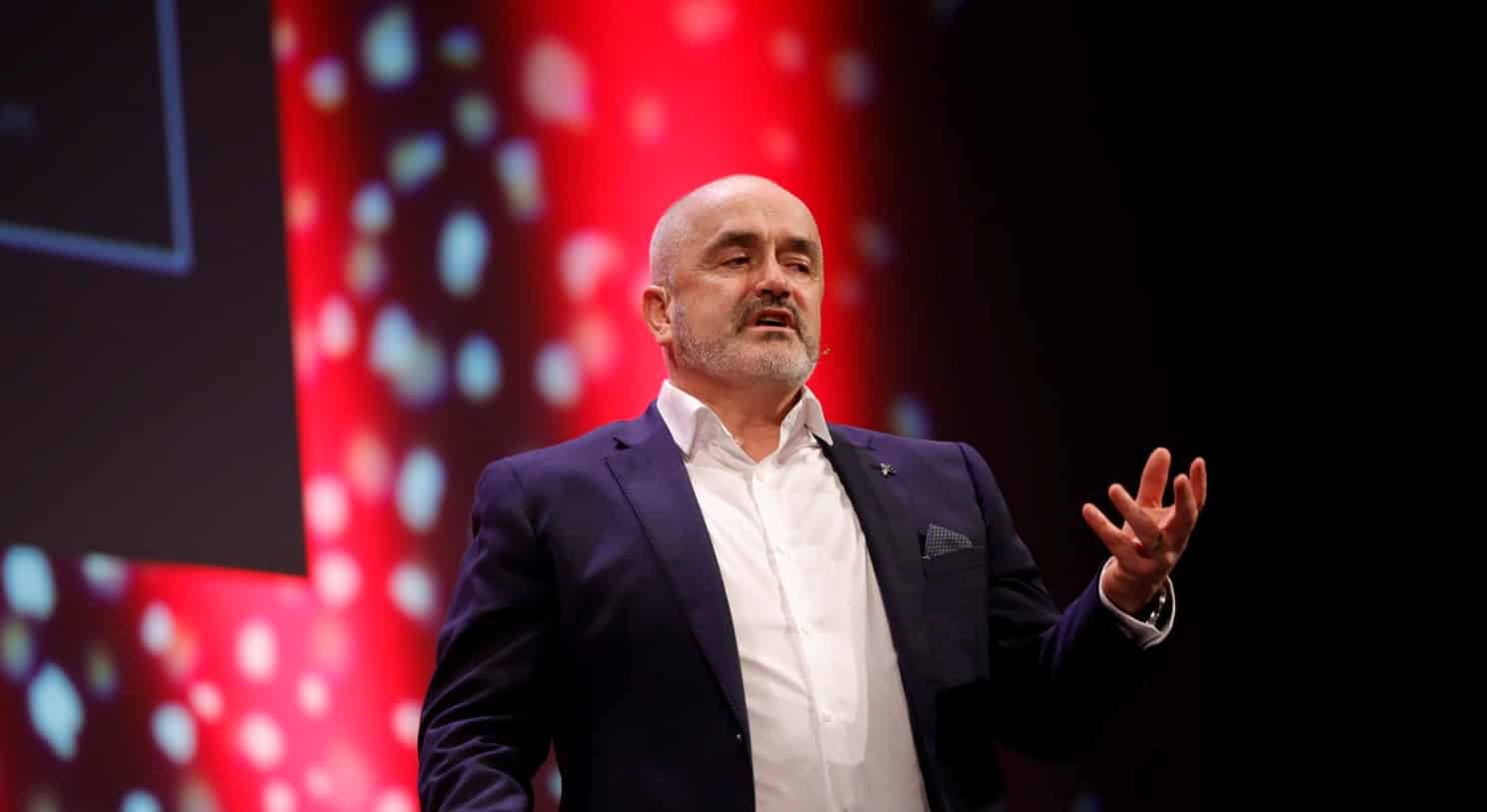
I have stood in front of a lot of organisations that were genuinely trying to do the right thing on employee wellbeing. They had the fruit bowls, the yoga app, the annual webinar with a motivational speaker, me, sometimes. And still their people were exhausted, and their engagement scores were flat. If that sounds familiar, you are not doing wellbeing wrong so much as aiming it at the wrong target.
Why So Much Wellbeing Spend Misses
Most wellbeing budgets get spent on the visible things. A fruit bowl in the kitchen, a subscription to a meditation app, a lunchtime webinar once a quarter. These are easy to buy, easy to photograph and easy to point to when the board asks what you are doing for staff.
The trouble is that none of them touch the reasons people actually feel worn down. If a person is drowning in workload, being managed badly or afraid to speak up, a mindfulness notification is not going to save their week. It can even land as an insult, a hint that the problem is their inability to cope rather than the conditions you have set around them.
I am not against perks. A decent coffee and a bit of fruit are grand. I am against mistaking them for a strategy. Real employee wellbeing is decided long before the fruit arrives, in the ordinary, daily experience of doing the job.
What Actually Improves Employee Wellbeing
When you strip it back, the drivers of wellbeing at work are fairly well understood. They are not exotic and they are rarely quick. They live in how work is designed and how people are treated, day in and day out.
A handful of things do most of the heavy lifting:
- ▸Manageable workload, enough time and resource to do the job without living in permanent overdrive.
- ▸Good management, line managers who are present, fair and human.
- ▸Psychological safety, the confidence to raise a problem, admit a mistake or say you are struggling without it being held against you.
- ▸Autonomy, a reasonable degree of control over how and when the work gets done.
- ▸Real recovery, genuine time off the clock, not availability dressed up as flexibility.
- ▸Culture, the unwritten rules about what actually gets rewarded and tolerated.
Notice that not one of these is a product you can buy in. They are choices about how you run the place, and they are largely free. That is the good news and the hard news at once.
Workload and Real Recovery
If I had to pick the single most neglected driver, it would be recovery. We have built a working culture that quietly prizes being always on, and then we act surprised when people are flat, cynical and running on empty.
I learned about recovery the hard way, through endurance rather than in an office. Running nine marathons in eight days, or carrying a washing machine to the top of Kilimanjaro, teaches you something fast, you do not get stronger during the effort. You get stronger in the rest between efforts. Skip the recovery and you do not become tougher, you simply break.
The same law applies to your teams. Back-to-back meetings, evening emails and holidays that never quite happen are not signs of commitment. They are the slow draining of a battery that nobody is recharging. Protecting recovery, real breaks, sane workloads, a switch-off that is genuinely respected, is one of the most powerful wellbeing moves available to you, and it costs nothing but discipline and good example from the top.
“
You do not get stronger during the effort. You get stronger in the rest between efforts, and the same law applies to your teams.
Good Management Is the Wellbeing Programme
People do not really leave organisations. They leave the daily experience their manager creates for them. A supportive, straight-talking line manager is worth more to employee wellbeing than any platform you could ever license.
Yet we tend to promote people into management for being good at the technical job, and then hand them a team with almost no preparation. They are expected to spot a struggling colleague, hold a difficult conversation and manage their own pressure all at once, often without a scrap of training in any of it. Then we blame them when it goes wrong.
If you want a single, high-leverage investment, invest here. Give managers the skills and the permission to lead like human beings, to check in properly, to notice when someone changes, to make it safe to be honest. The HSE offers practical guidance on supporting mental health in the workplace, and it is a sensible place to begin. When managers get this right, most of your other wellbeing efforts finally have somewhere to land.
Psychological Safety and Autonomy
Two of the quietest drivers are also two of the most powerful: psychological safety and autonomy. They rarely show up on a budget line, which is precisely why they get overlooked.
Psychological safety is simply whether people believe they can be honest without being punished for it. Can they say I am overloaded, or I made a mistake, or I am not okay, and trust that it will be met with support rather than a black mark? Where that safety is missing, problems stay hidden until they become crises, and good people quietly plan their exit.
Autonomy is its close cousin. Treat capable adults as if they cannot be trusted to manage their own day, and you drain both their energy and their goodwill. Give them reasonable control over how the work gets done, and you tend to get better work and healthier people. Neither of these costs money. Both cost something harder, a willingness to loosen your grip.
How to Measure Employee Wellbeing Honestly
You cannot improve what you will not look at honestly. A great deal of employee wellbeing measurement is designed, consciously or not, to produce a reassuring number rather than an uncomfortable truth.
An annual survey that everyone suspects is not really anonymous will always tell you that people are fine. Look instead at the signals that are harder to game:
- ▸Turnover, and in particular, who is leaving and the real reasons why.
- ▸Absence patterns and the annual leave that never gets taken.
- ▸Honest exit conversations that are actually read and acted upon.
- ▸Small, frequent pulse checks that ask about workload and safety, not just happiness.
Then close the loop. Nothing corrodes trust faster than asking people how they are, hearing something difficult, and doing nothing with it. If you are not prepared to act on the answer, it is kinder not to ask the question at all.
Where a Keynote Fits: Catalyst, Not Cure
So where does someone like me come in? I try to be clear-eyed about this, a keynote is a catalyst, not a cure. No talk, however good, will fix a broken workload model or a culture of fear on its own. Anyone who promises otherwise is really just selling you a fruit bowl with a microphone attached.
What a good talk can do is open the conversation. When I share my own experience of coming through alcohol addiction and serious mental-health struggles, and how I rebuilt my life through small daily habits, honesty and support, it tends to give other people permission to be honest too. It can make psychological safety feel possible in a room where it has been missing for years.
Used well, that moment becomes a starting point for the harder structural work, never a substitute for it. If you are rethinking how you support your people, you are welcome to learn more about my corporate keynotes on resilience and wellbeing, or to get in touch about your event. Just promise me one thing, that it is the beginning of the work, and not the whole of it.
Key takeaways
- ✓Perks like fruit bowls and apps do not fix the real drivers of employee wellbeing, workload, management, safety, autonomy, recovery and culture do.
- ✓Recovery is the most neglected driver: protect real rest, sane workloads and a switch-off that is genuinely respected.
- ✓Line managers make or break wellbeing, so train and support them rather than buying another platform.
- ✓Measure honestly using turnover, absence and pulse checks, and always close the loop by acting on what you hear.
Frequently Asked Questions
Are wellbeing perks like fruit bowls and apps a waste of money?
Not entirely, small comforts are pleasant and do no harm on their own. The problem is treating them as a strategy. If workload, management and culture are poor, no perk will move the needle on employee wellbeing.
What has the biggest impact on employee wellbeing?
The everyday design of work: manageable workload, good line management, psychological safety, autonomy and real recovery. These cost little money but require genuine changes to how you run the organisation.
How do we measure employee wellbeing honestly?
Look beyond a single annual survey to signals that are harder to game, such as turnover, absence and unused leave. Add small, frequent pulse checks, and crucially act on what you learn rather than collecting a reassuring number.
Can a motivational or resilience keynote improve wellbeing?
A keynote is a catalyst, not a cure. It can open honest conversations and make psychological safety feel possible, but it works only as a starting point for the structural changes that follow.
Does Enda work with organisations in Ireland?
Yes. Enda O’Doherty is an Irish keynote speaker who works with corporate events, conferences, schools and colleges across Ireland on resilience, mental health and wellbeing.
Bring this message to your team
Enda O’Doherty delivers honest, practical keynotes on resilience, motivation and mental health to organisations, conferences, schools and colleges across Ireland.


